

I’ve often labeled myself as a researcher on the evolution of technology in studio ceramics. Besides lectures that speak specifically to digital manufacturing, I’ve avoided using the term “digital” because I want the public to understand that tools as simple as a banding wheel are still technology. Surely there has been a massive leap from a banding wheel with the introduction of the computer; however, we still have to remember that machinery controlled by computers was accessible since the 1960s. My interests emerge from the invention of ceramics to where we are now.
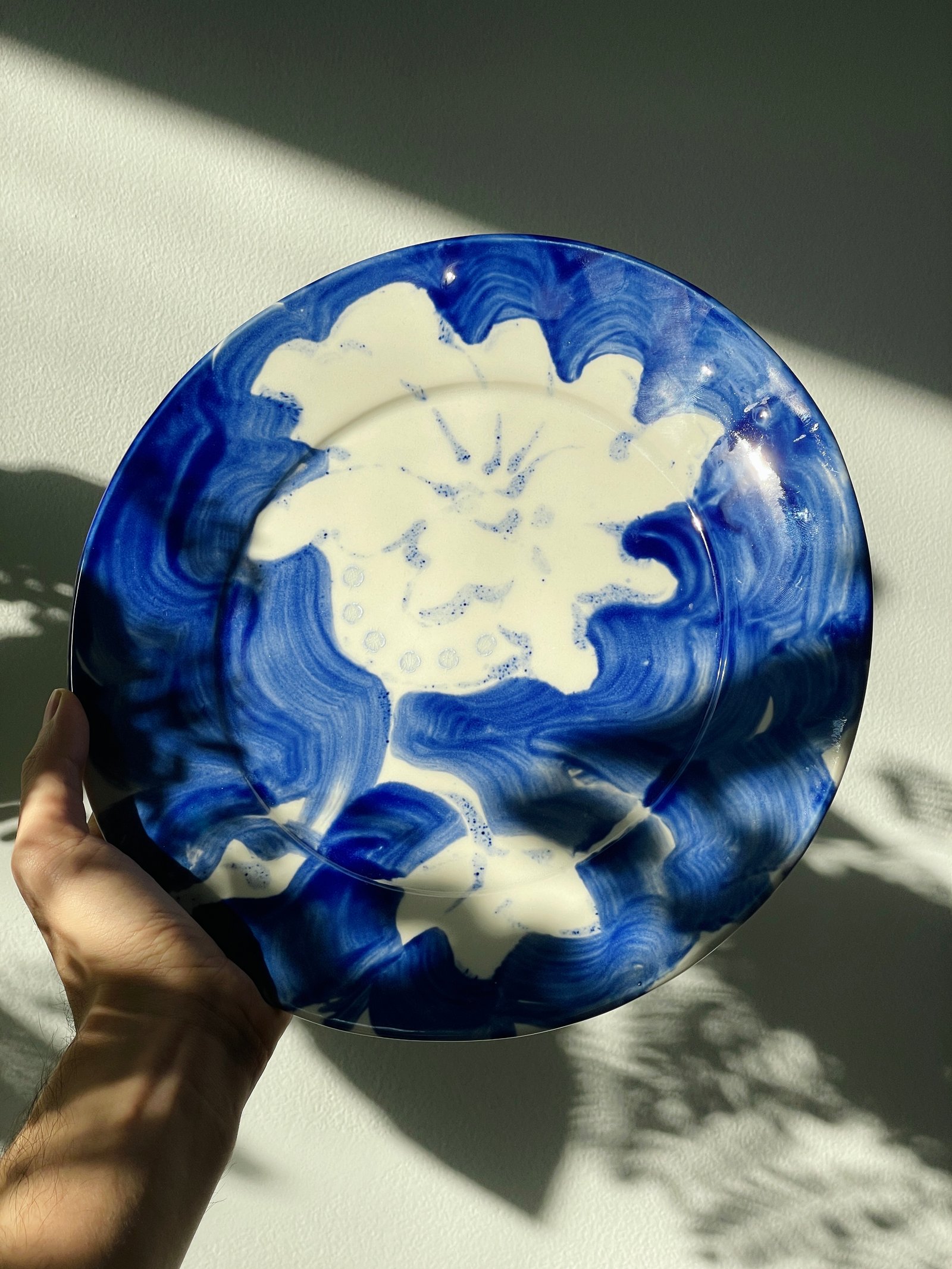
I have also been interested in the material parallels with ceramics and other industries. Cobalt, in particular, has a long global history that is intertwined with the infrastructure of 21st-century battery production to power our smartphones, electric vehicles, etc. I shouldn’t be the first person to let you know that the majority of cobalt is mined from the People’s Republic of Congo, which has an unregulated mining industry and is subject to ethical concerns. What you may not have been up to date on are the initiatives to broaden the resource base- the Jervois Mine in Idaho was supposed to supply 10% of cobalt consumption in 2022; however, it shut down the same year. This year, I’m announcing a new glaze formulation where I have introduced cobalt derived from smartphone batteries. Consulting with a chemical engineer, I have been able to mine e-waste and bring it into ceramics. This, too, is a type of technology. The work will debut at the 52nd Old Church Pottery Show in Demarest, New Jersey, an interesting venue because of its long-standing history in the field and as a hub for “pottery for potters,” so to speak.
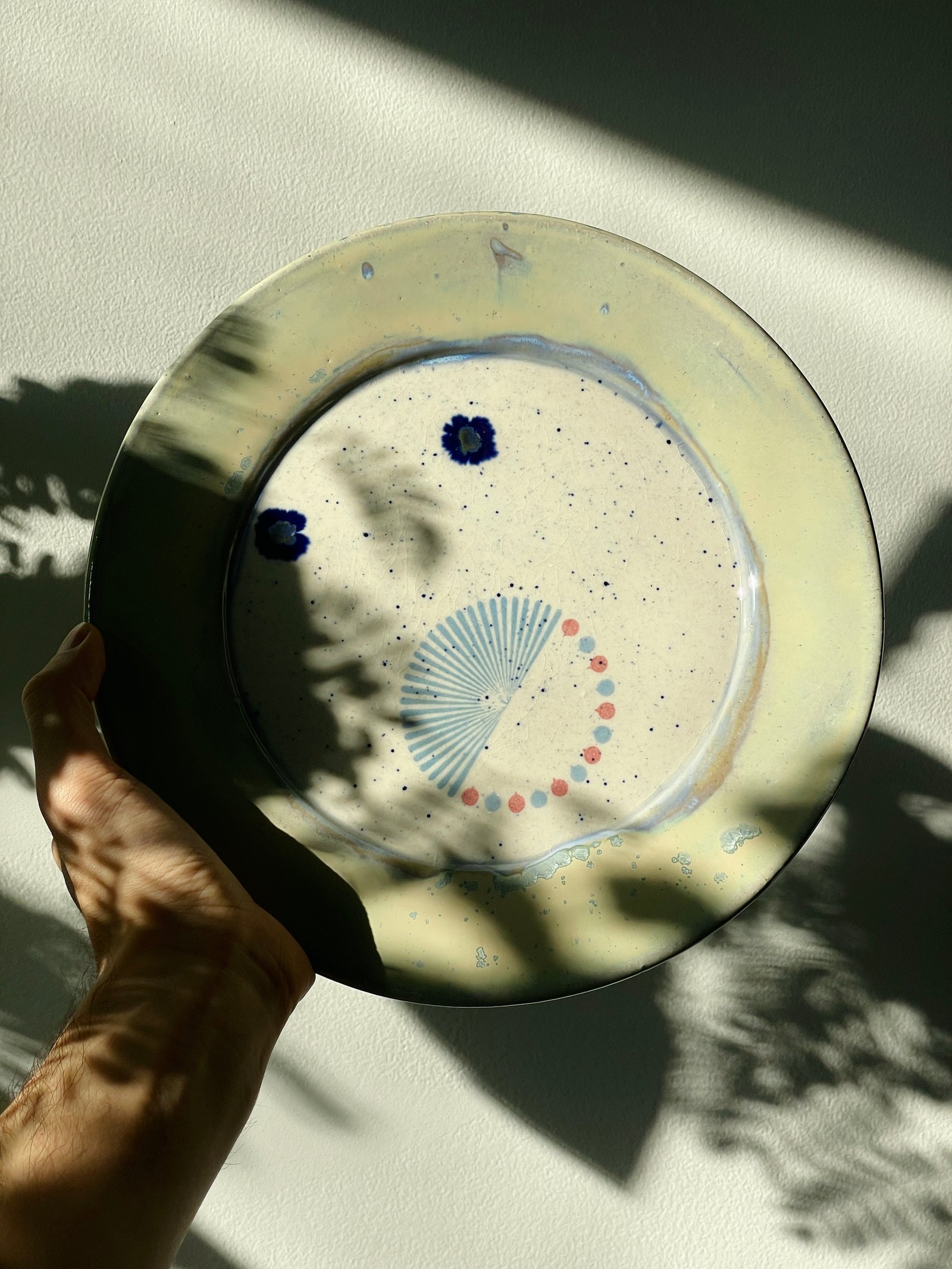
In 2017, I curated a travelling exhibit titled Reinvented. The exhibition looked at studio artists who blend digital technology with analog processes; it travelled to five locations across the US. One of the pieces with the largest time gap in technological discovery was by Chris Gustin: 3D printing a cup with soundwaves applied to the surface; the piece was put into a wood kiln (a technology dating back to the Neolithic Period). This year, I expanded the idea of tech-based ceramics at the Saratoga Clay Art Center in an exhibit titled Voxels, which included a stop-motion video of clay. Technology continues to change, and this is a timestamp in its path.
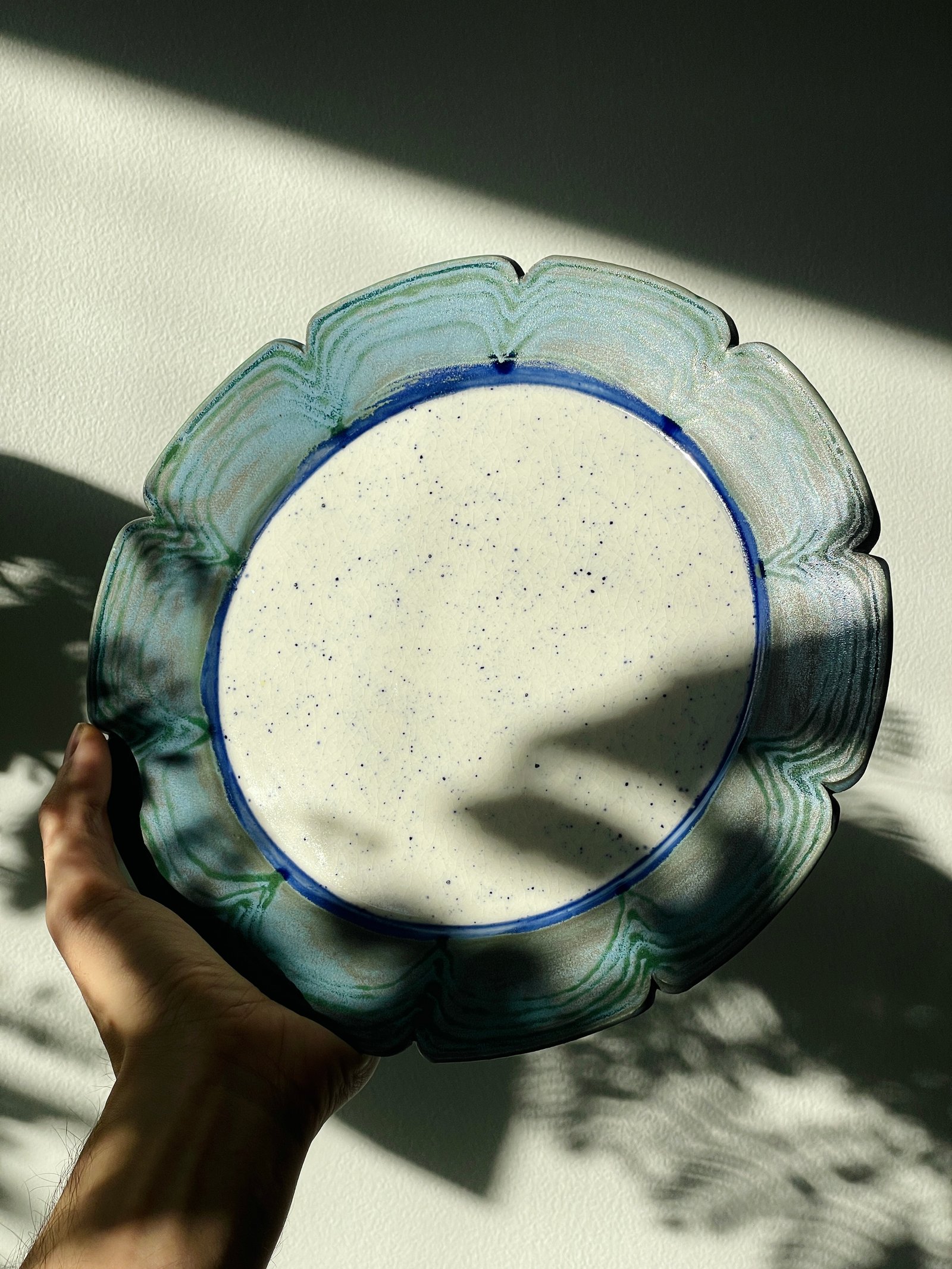
The following essays are by people and places in the field adopting digital technology, which I hope can serve as a marker for the “right now.” Discussing both software and hardware, it was important to include both systems within and outside academia because of our current climate of accreditation uncertainty and creating accessibility for nontraditional students.
My intention has never been to convince people to adopt digital technology into their own practice. Rather, I want decisions to be made out of education and not fear. I’ve referenced the Gartner Hype Cycle in essays and lectures to explain the rollercoaster of appraisal in technology. It’s like sharing your location with friends to see where you’re headed. New technology will come about in time - it’s human nature. Especially with material shortages, I know that we’ll find new ways to make ceramics, as we’ve always done before.