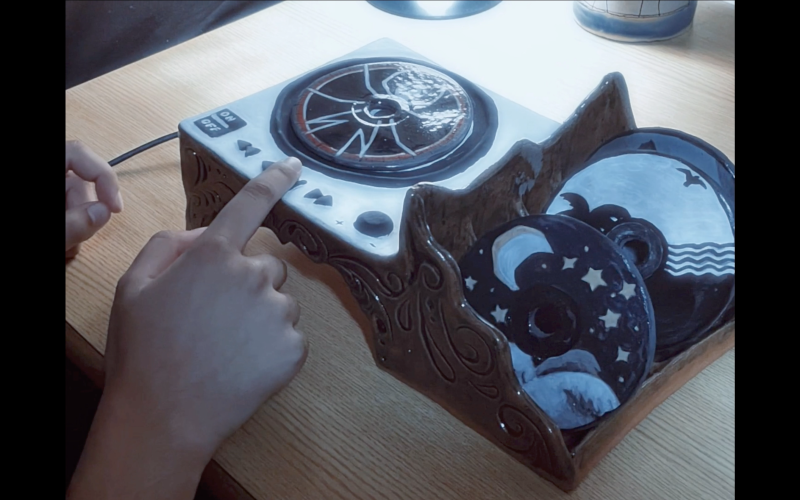
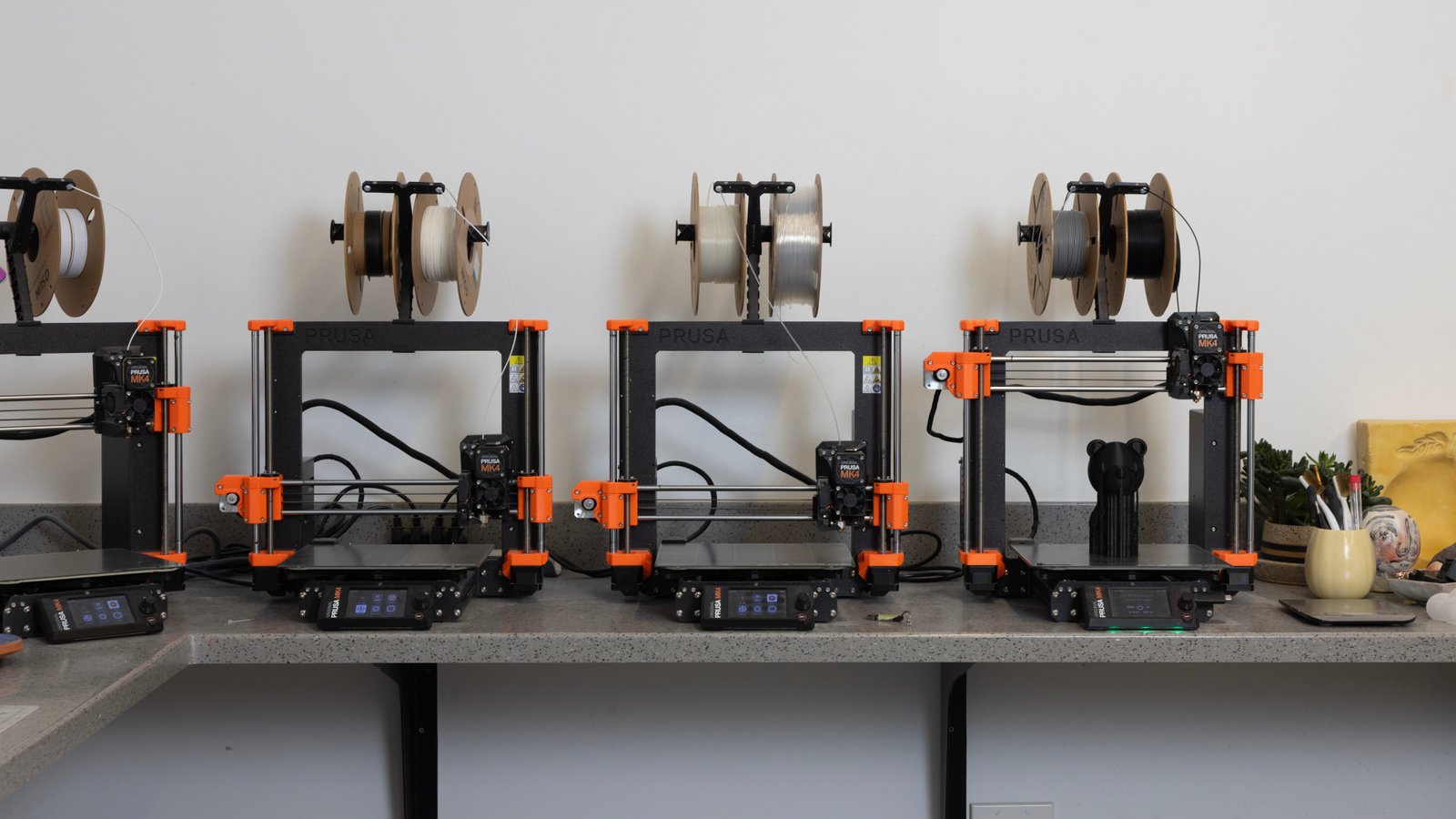
A ceramic studio is a technological space. Wheels, kilns, slab rollers, molds, extruders, and countless tools shape how ceramic artists work with clay. At The Clay Studio, the Center for Innovation in Ceramic Art in Philadelphia, the Digital Fabrication Studio expands this toolkit to include clay and plastic 3D printers, laser cutting, decal printing, design software, and other digital-to-physical processes. I believe that rather than existing as separate approaches, digital and traditional methods can operate along a continuum, with artists moving between them. A form modeled on a computer can be printed in clay and altered by hand. A laser cutter can produce a custom rib or template. A plastic 3D print can become the starting point for a plaster mold. A digital image can ultimately be fired onto the surface of a ceramic object. Our goal is not to replace the hand of the maker with the machine. We see digital fabrication as one step within a much broader ceramic process.
Digital fabrication is rarely the entire process; more often, it enters at a particular moment when it can solve a technical challenge, make an otherwise difficult form possible, or offer greater precision and consistency. In this way, digital tools expand what’s possible in ceramics while working alongside established methods of making.