

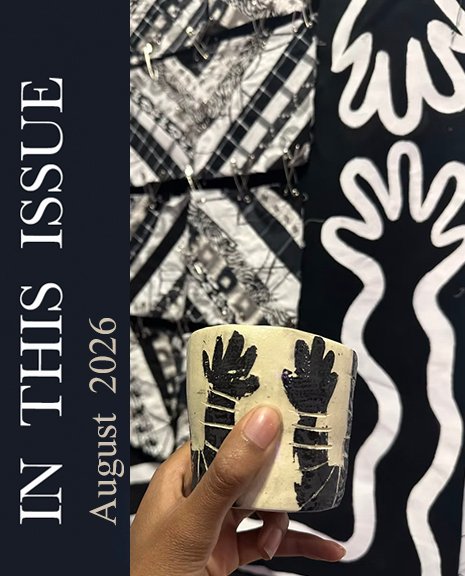
 Every ceramics community has its own rhythm. Some are built around universities or longstanding studios. Others begin with a single workshop, a handful of people, and the willingness to keep showing up. Ours began with an invitation. Before any of us thought of ourselves as ceramicists, we were simply people who said yes to gathering around a table at The Bottom in Knoxville, Tennessee. That invitation has grown into a rhythm shaped by our continued return to learn, create, and gather together.
This issue explores clay as a meeting place. The artists you'll encounter are members of Ceramic Soul Collective, a community of BIPOC Appalachian makers whose practices emerged through free community ceramics workshops at The Bottom. None of us arrived through traditional art school pathways. We arrived through shared access, shared tools, and a shared belief that creativity belongs to everyone.
Across these conversations, clay becomes more than a material. It becomes a space where experimentation matters more than perfection and where tradition and imagination can occupy the same vessel. Again and again, we describe clay not as something we’ve mastered, but as something that has transformed us. We use clay as a medium for reflection, restoration, and collective joy. Our community studio becomes a site of process and possibility for both art and liberation.
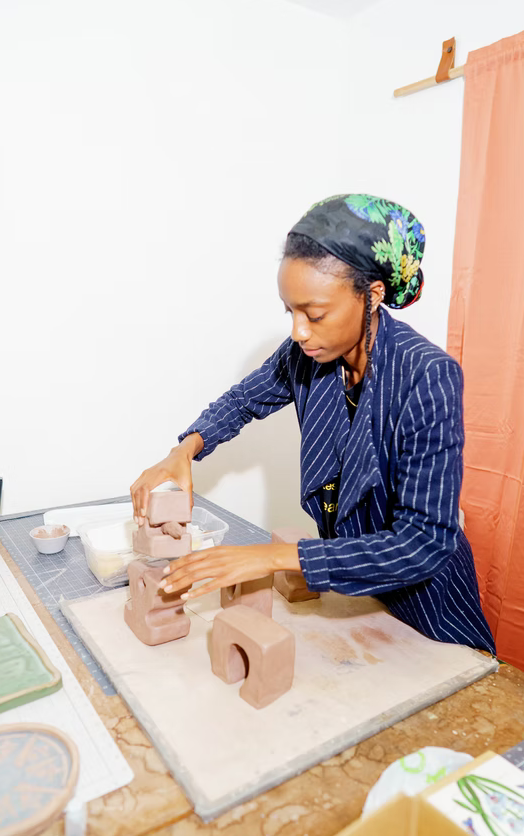 Within my own practice, I’m guided by a curiosity for what exists just beyond the frame: people, places, and traditions that have long been present, even when absent from dominant narratives. This issue grows from that same curiosity, exploring what it means to create from an Afrolachian perspective rooted in the intersections of Blackness, Appalachian identity, and the lived experiences of women, femmes, and nonbinary artists. The term Afrolachian reflects my own relationship to Black identity, cultural memory, and future building. It engages with the lineage of Affrilachian, a term coined by Kentucky poet Frank X Walker. These conversations do not attempt to define an entire region. Instead, they offer distinct reflections on making, belonging, and imagining from the place we call home.
Natori Mason reminds us that play can be a radical act of self-discovery, using sculpture to imagine realms expansive enough to hold transness, inspiration, and joy. Fitrah Golden approaches clay with whimsy, humor, and accessibility, creating work that insists delight deserves a place in everyday life. Jazzmine Curtis speaks to clay as refuge, weaving together storytelling, history, and griot tradition to investigate how objects might embody the sense of shelter. Margo Miller connects ceramics to quilting, indigo, philanthropy, and lifelong community organizing, while embracing the gift of becoming a beginner again.
When barriers to participation are removed, different stories become visible. Diverse aesthetics emerge. New futures begin to form. What began as a community program with Dr. Maggie Connolly led to conversations about creating a container for continued growth through clay, ultimately expanding into an ecosystem of teaching practices, fellowships, exhibitions, residencies, and lifelong creative relationships.
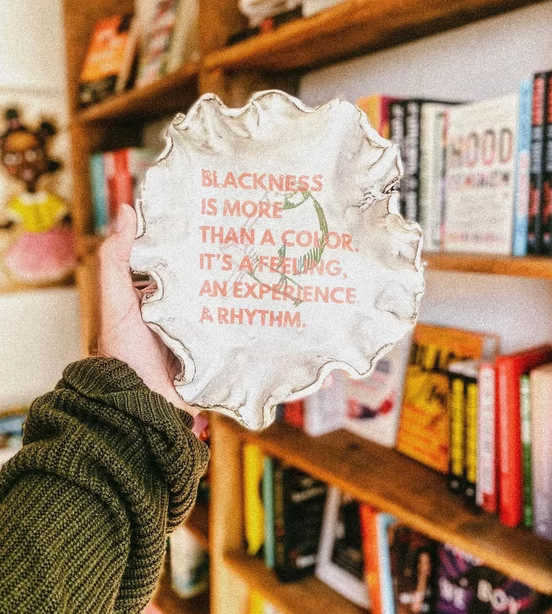
This transformation reminds us that artistic infrastructure is not built only through institutions. Sometimes it begins with folding tables, shared tools, and someone saying, "Come make with us." Through collaborative learning and process-based making, we treat the studio not just as a place to produce, but as a space to question, reflect, and reimagine. The Bottom does more than provide materials, studio space, and a kiln. It provides a third place between home and work where members develop as artists, teachers, and storytellers.
I hope this issue reminds us that making is not only about the objects we produce; it’s also about the spaces we create for one another. Clay remembers every hand that has shaped it. Communities have a way of doing the same.
About the Editor-at-Large
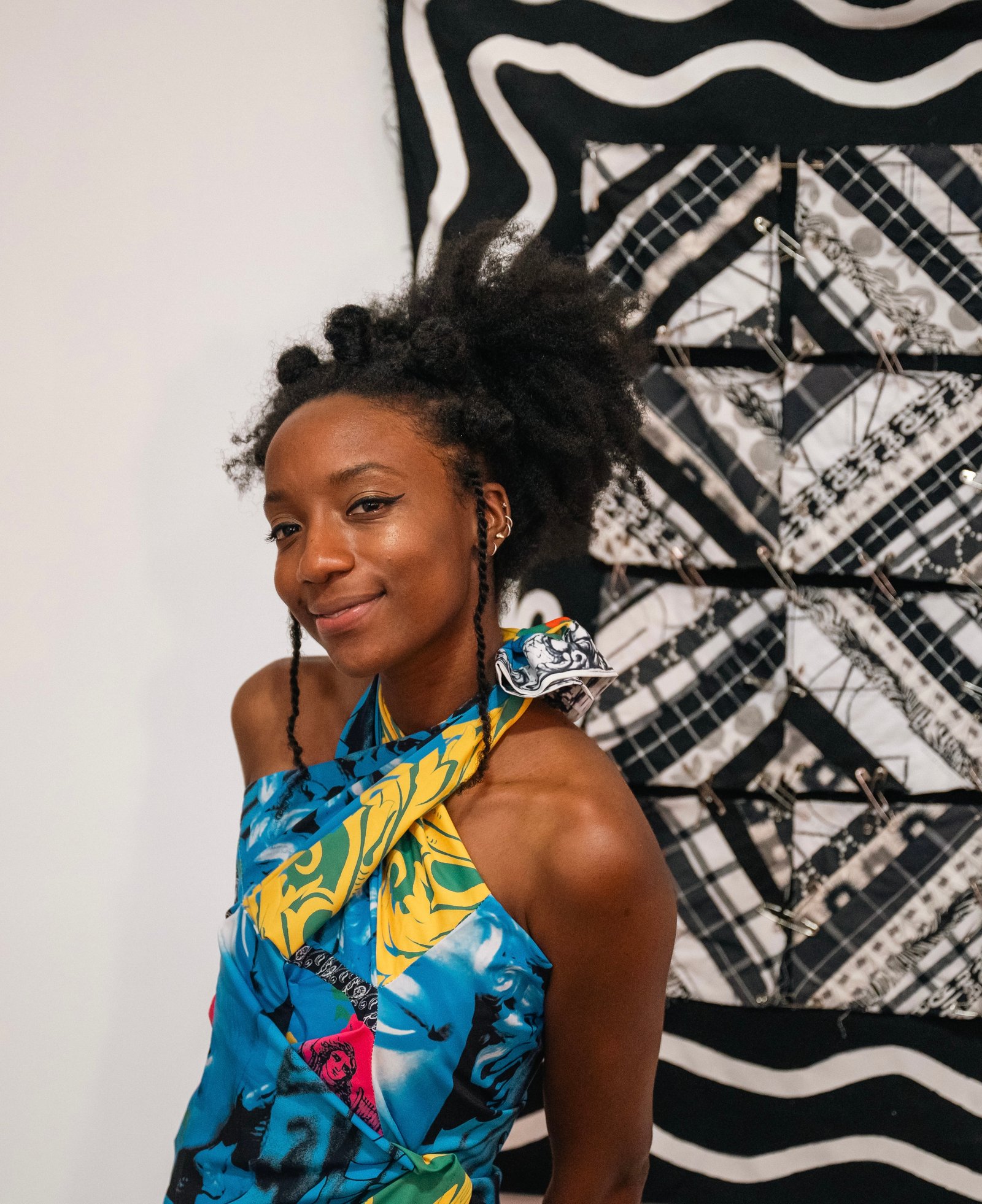
Ty Murray is an interdisciplinary storyteller, creative strategist, and cultural advocate dedicated to using art as a catalyst for connection and transformation. Rooted in the Appalachian South, she uses sound fusion, photography, and ceramics to deepen the acts of movement, contemplation, and feeling. As a founding member and current Director of Art at The Bottom in Knoxville, Tennessee, her leadership has been instrumental in cultivating the organization as a hub for artistic innovation, education, and resilience. As the founder of Ceramic Soul Collective, she explores clay as a personal practice, communal calling, and social material.