Shopping cart 0 items
Donate
Member Login

Search form

Share
Login
Home
  • About
    • Mission
    • History
    • Masthead
    • Board of Directors
    • Contact
    • Privacy Notice
    • FAQ
    • Internships
  • Articles
    • Current Articles
    • Collections
      • Interviews
      • Narrative
      • History
      • Technology
      • Criticism
      • Other
    • Print Archive
    • Write for SP
  • Announcements
    • General
    • Classified
    • Events
    • Newsletter
  • Become a Member
  • Grants for Apprenticeships
  • Donate
    • Underwriting
    • Donate
    • Partners
  • Store
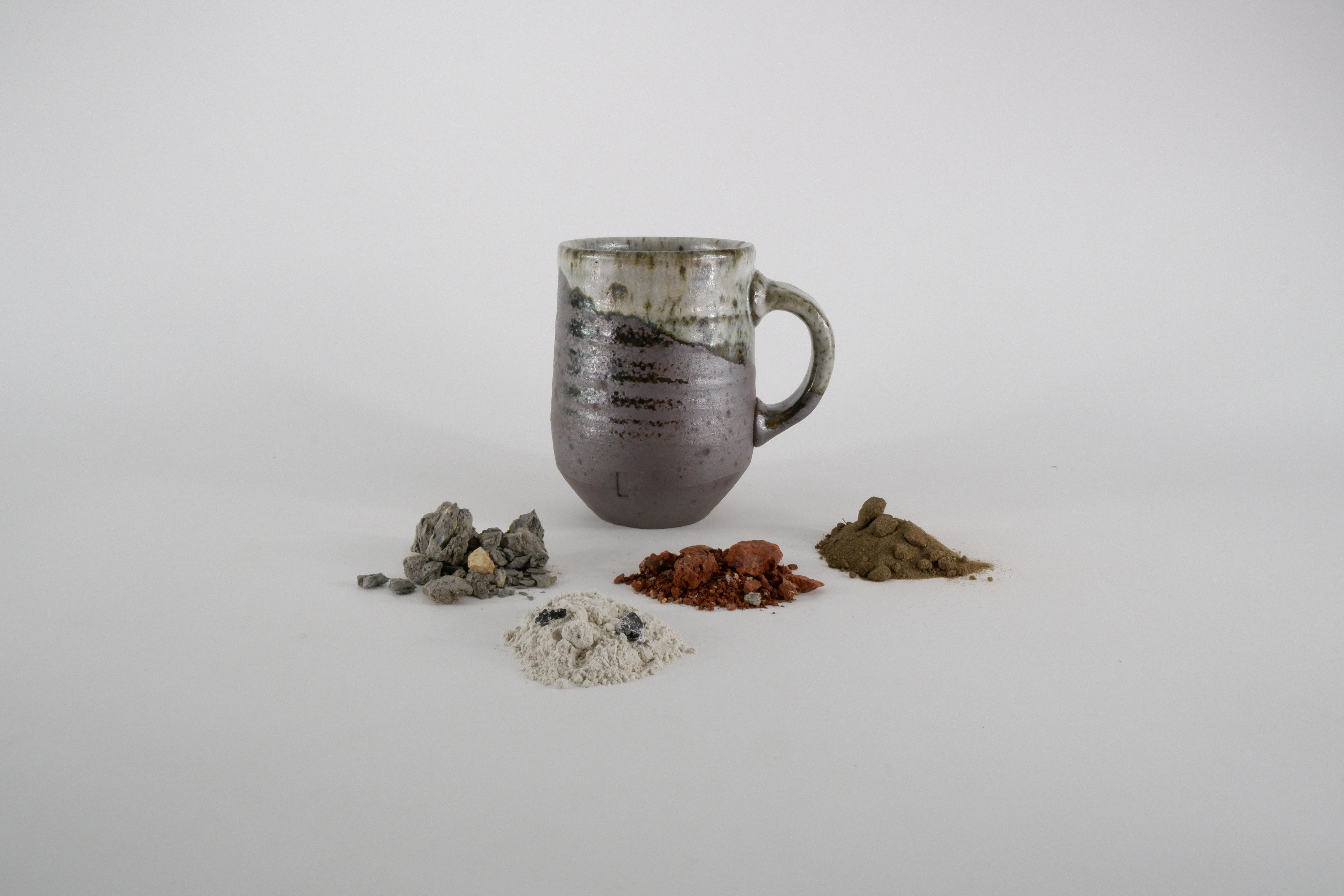
The four local materials it took to make this mug, no industrial materials required.

From Here – Regionally Specific Ceramics

David McMillan

From here – such a simple statement, but the challenges and opportunities provided by this framing have been at the core of my work in ceramics for the past seventeen years.

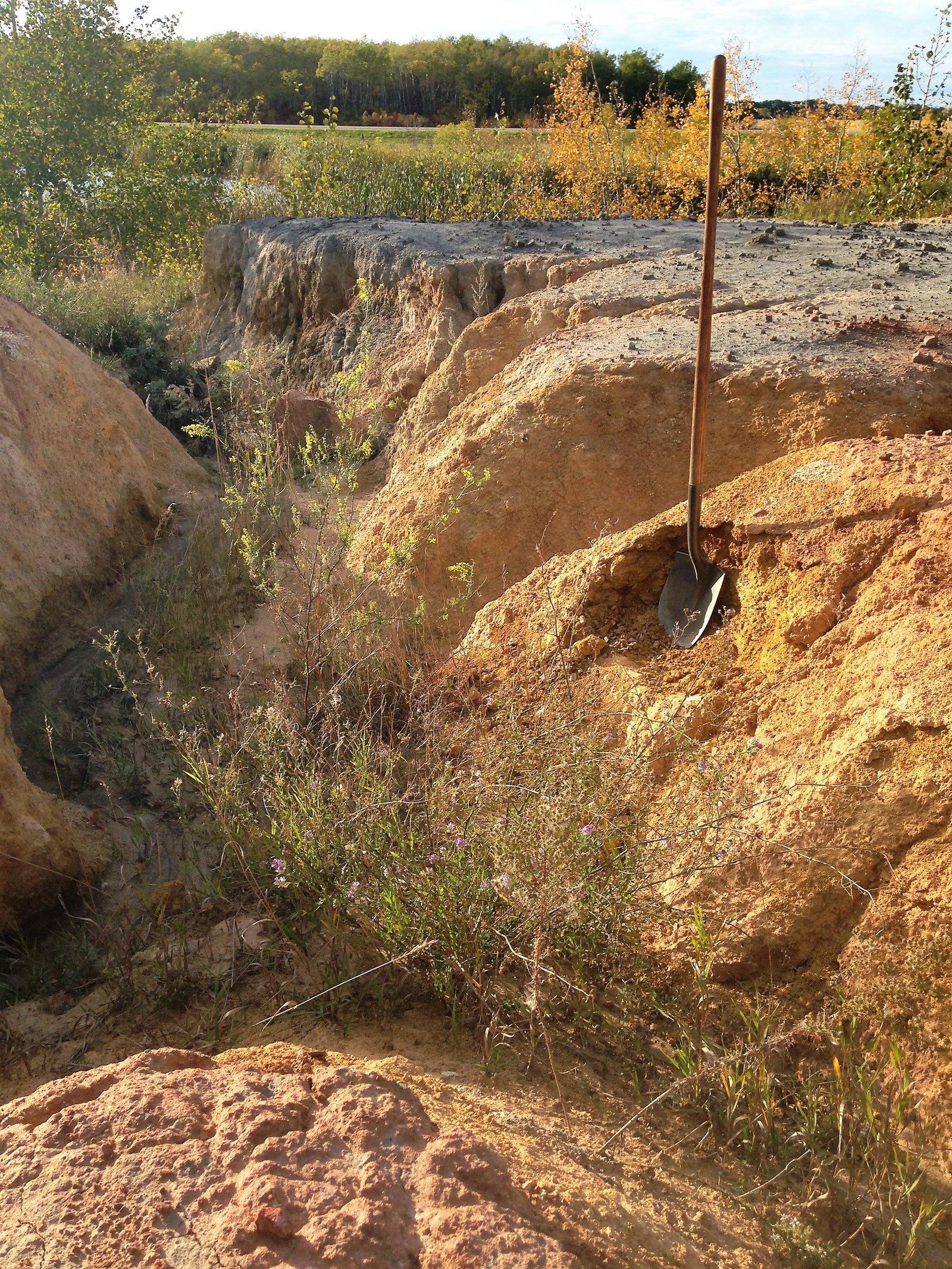
After I graduated from Emily Carr University of Art + Design in British Columbia, Canada, I drew a hard line. No more industrial materials; no half measures. Ever since, I have worked exclusively with materials in the place I'm from; if I can't dig, forage, or make it where I live, it doesn’t go into my pots. This body of work started with some simple questions. What pieces can be made from this specific time and place? What is the ceramic terroir of the place I inhabit?

My family has lived in the Canadian Treaty One Territory for five generations, where I harvest my materials. I want my work to be in respect this piece of earth that I call home. I recognize that I can do more to engage with the original inhabitants of this place, and I am striving to do better. The next step in my work is to go beyond permission from present landowners by engaging with the First Nations that have lived here since time immemorial.

The focus of my practice so far has been to decrease the depth of my environmental footprint as much as I can. When discussing my work, I use words like regional or locally specific. I do not use the word sustainable; that word is overused and is part of far too much greenwashing. Working with locally sourced natural materials is a lot of labor; how could I make work about respecting the earth while making pieces from materials that destroy that same earth? Strip mining the earth, shipping it halfway across the world, processing it in a giant energy-intensive factory, shipping it back to the area it originally came from, and adding water before shipping it again is standard practice for these industrial products. Industrial products are ubiquitous within a ceramic community that markets its wares as "local" pottery. The true cost of this production is obscured or willfully unacknowledged. There is a better way to make art. I choose not to use these industrial products in my work. Every ounce of the materials that go into my pots I have dug myself, and I know the impacts my actions have.
...
Read more

More from this issue

April 2023

Alexandra Engelfriet, "Mixed Blood," photo courtesy of Kathy Irwin.
Earth, Wind, and Fire
By Alexandra Engelfriet
"In the clay, I surrender to something bigger than myself. I search for a correspondence or even a merging with the material when my body becomes clay and clay a body, and the boundary between inside and outside, body and mind, dissolves." This month's FREE article!
Read More
Simone Leigh, "Jug," 2014. Photo courtesy Tilton Gallery, New York.
Evidence of Things Unseen
By Chenoa Baker
What I learned while centering the clay and obsessing over the clay-to-water ratio in class for weeks is that clay particles are like platelets; water and earth dance around and are compressed in the process of sculpting. While the goal is cohesion, it starts as a suspension. White supremacist capitalist patriarchy, not to oversimplify it, is in suspension, as it is multiple different ideologies pulling apart rather than binding together. I learned this profound lesson from Simone Leigh’s "Jug" (2014).
Read More
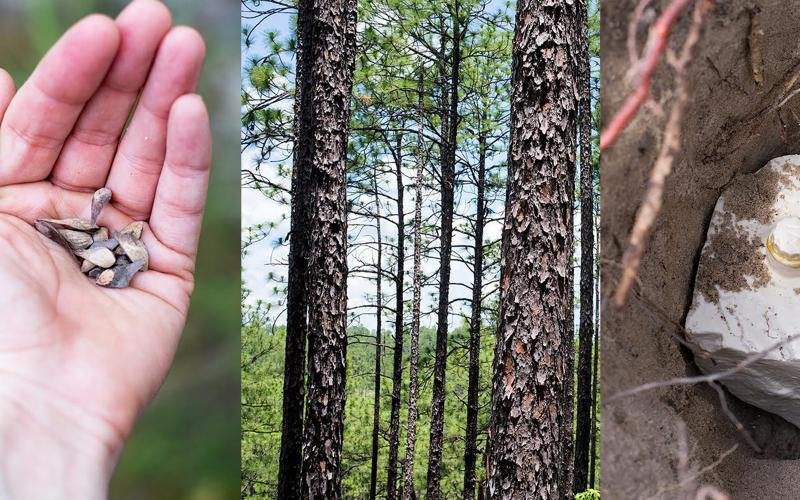
"Bank VI" filled with longleaf pine seeds, and buried in the subtropical forest of Louisiana (traditional lands of the Chahta Yakni- Choctaw peoples). Collaborators: Geren Huertin, Zach Fox, and Savannah Morales. Photo courtesy of Geren Huertin.
Seeding Hope for the Future
By Rachael Marne Jones
Founded in 2017, The Seed Bank Project honors the perspectives of individuals and their connections to specific regional lands and regional plants. Part of the mission is to create artwork that is accessible beyond the gallery, putting local voices and the community first.
Read More
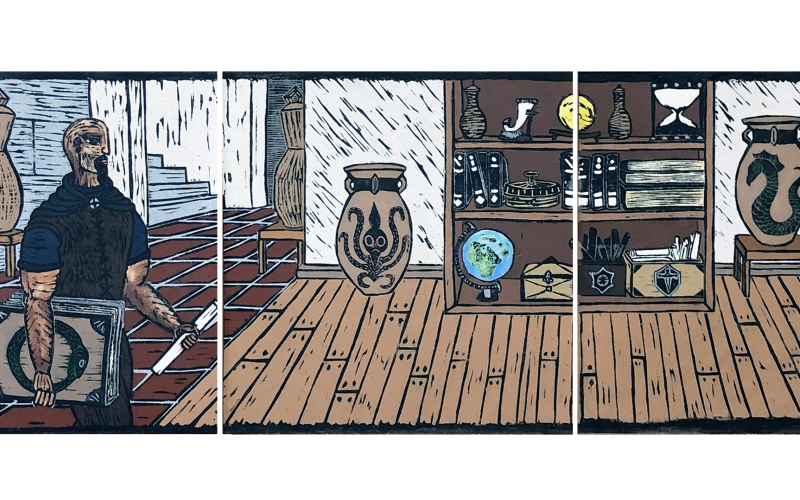
Paul Wandless, "Haymens Studio," Clay Monoprint, triptych.
The Threads That Tie Ideas Together
By Keith Luebke (he/him/his)
For those interested in building a sustainable society rooted in freedom and justice – issues that seem important to most of the potters I have known – we need to understand the threads that tie ideas together. We are at a moment in history when many disciplines must make choices, articulate a collective sense of concern, and consider the available paths toward voicing and acting on those concerns.
Read More
Back to Issue

Author Bio

David McMillan

David McMillan was born in Brandon, Manitoba, Canada. Moving west, he completed his BFA with honors at the Emily Carr University of Art + Design. In the summers, he lived in a tent under an old-growth cedar tree and learned production pottery in a three-year apprenticeship.
After returning to Manitoba, David has spent almost two decades working exclusively with locally harvested materials in his ceramics. He has received grants from the Manitoba Arts Council and the Canada Council for the Arts for this research. His workshops and expertise have been sought out by universities, craft councils, and individuals across the country.
Everything that goes into David’s pots is dug by hand in Manitoba. The different clays and sands are each carefully researched and then harvested. All processing is done by hand before the materials are combined to make the different clays that he throws on his kick wheel. The glazes on his work come from wood ash and different rocks that are crushed by hand. The final step is for David to fire the pots in one of his wood-burning kilns. David takes pride and care in harvesting everything that goes into these pots to make truly local and sustainable functional pottery.

CONTACT  |  NEWSLETTER SIGNUP  |  COPYRIGHT © 2026 STUDIO POTTER  |  SITE DESIGN

Design by Adaptive Theme

Member Log in

  • Create new account
  • Reset your password
Forgot your password?
Continue as Guest
Become a Member
Library IP Login