Shopping cart 0 items
Donate
Member Login

Search form

Share
Login
Home
  • About
    • Mission
    • History
    • Masthead
    • Board of Directors
    • Contact
    • Privacy Notice
    • FAQ
    • Internships
  • Articles
    • Current Articles
    • Collections
      • Interviews
      • Narrative
      • History
      • Technology
      • Criticism
      • Other
    • Print Archive
    • Write for SP
  • Announcements
    • General
    • Classified
    • Events
    • Newsletter
  • Become a Member
  • Grants for Apprenticeships
  • Donate
    • Underwriting
    • Donate
    • Partners
  • Store
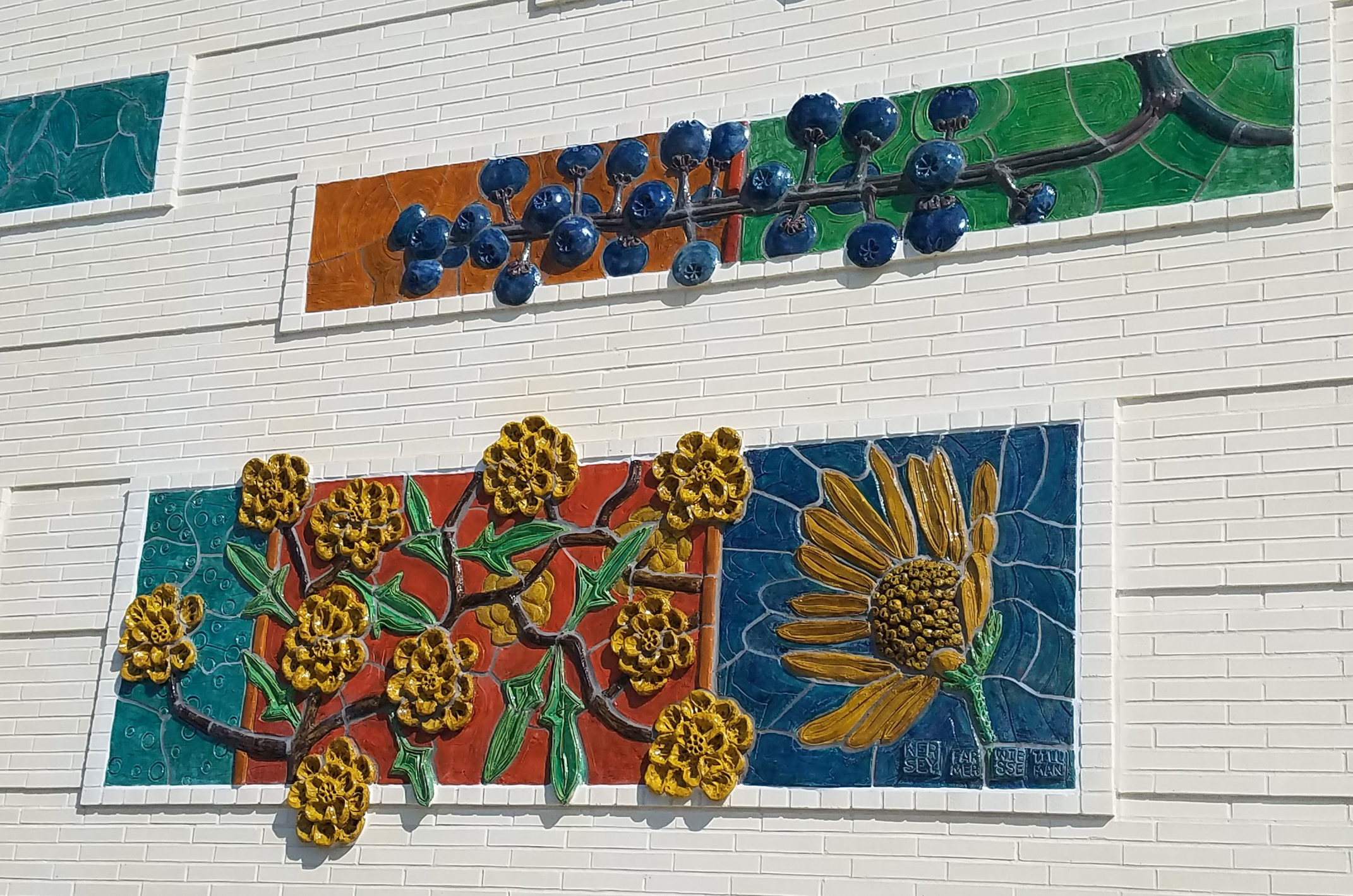
Detail of Diana Kersey work at VIA BROOKS terminal, 2019. Photo Credit: Diana Kersey

Ceramist Diana Kersey’s Physicality: Public Art and Placemaking, Part III

Teresa Eckmann, Ph.D.

In Part II last month, Diana Kersey had completed her first public art commission, artwork for the Mulberry and Millrace bridges in San Antonio, Texas. Significant historical research supported her concept and imagery. In Part III we see her take on increasingly larger scale commissions establishing solid footing in the field of public art.
More Bridges to Cross
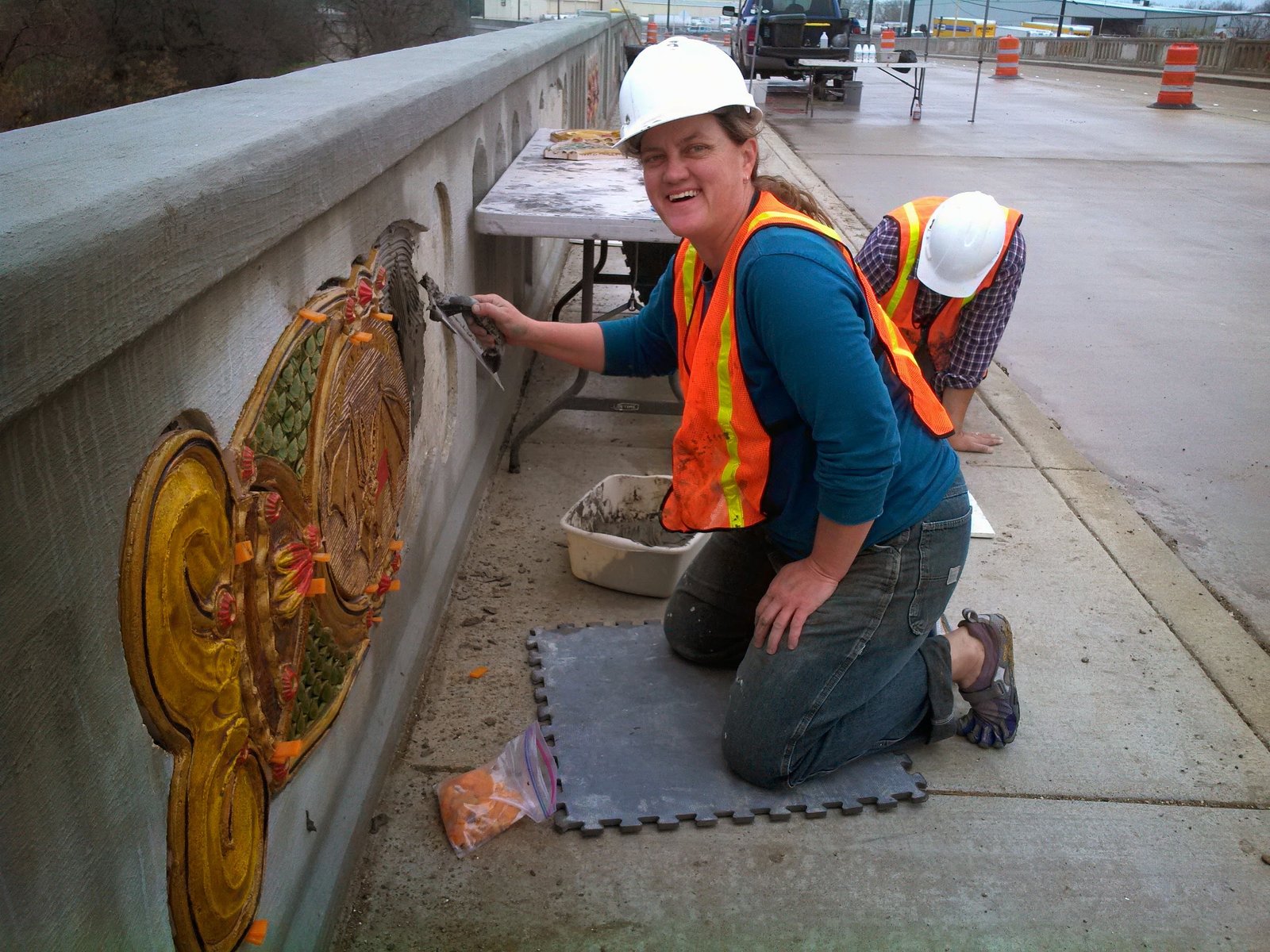
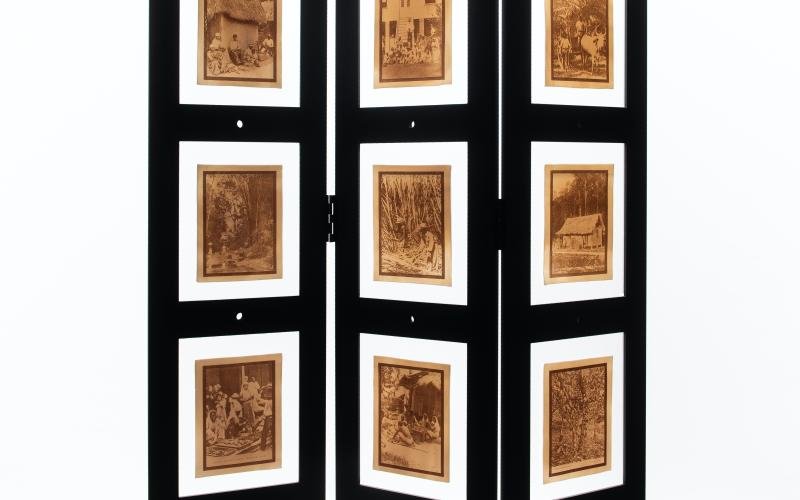
Other public art awards followed the Catalpa-Pershing bridge project that Kersey completed in 2011. The process of creating artwork for the new Houston Street Bridge, which, at 330 feet long by sixty-five and a half feet wide was more than four times the scale of either the Mulberry or Millrace bridges, would occupy Kersey from April of 2012 to its completion in February of 2015. Once again, place-making for Kersey entailed researching the cultural and natural history of San Antonio’s Eastside (East of the San Antonio River), a predominantly African American neighborhood where the new bridge would be built to traverse the Salado Creek Trail. Abundant imagery recording the area’s history, plants, and animals for the sixty-four ceramic panels that Kersey would incorporate into the guardrails was shaped by survey questions posed to the local community.1
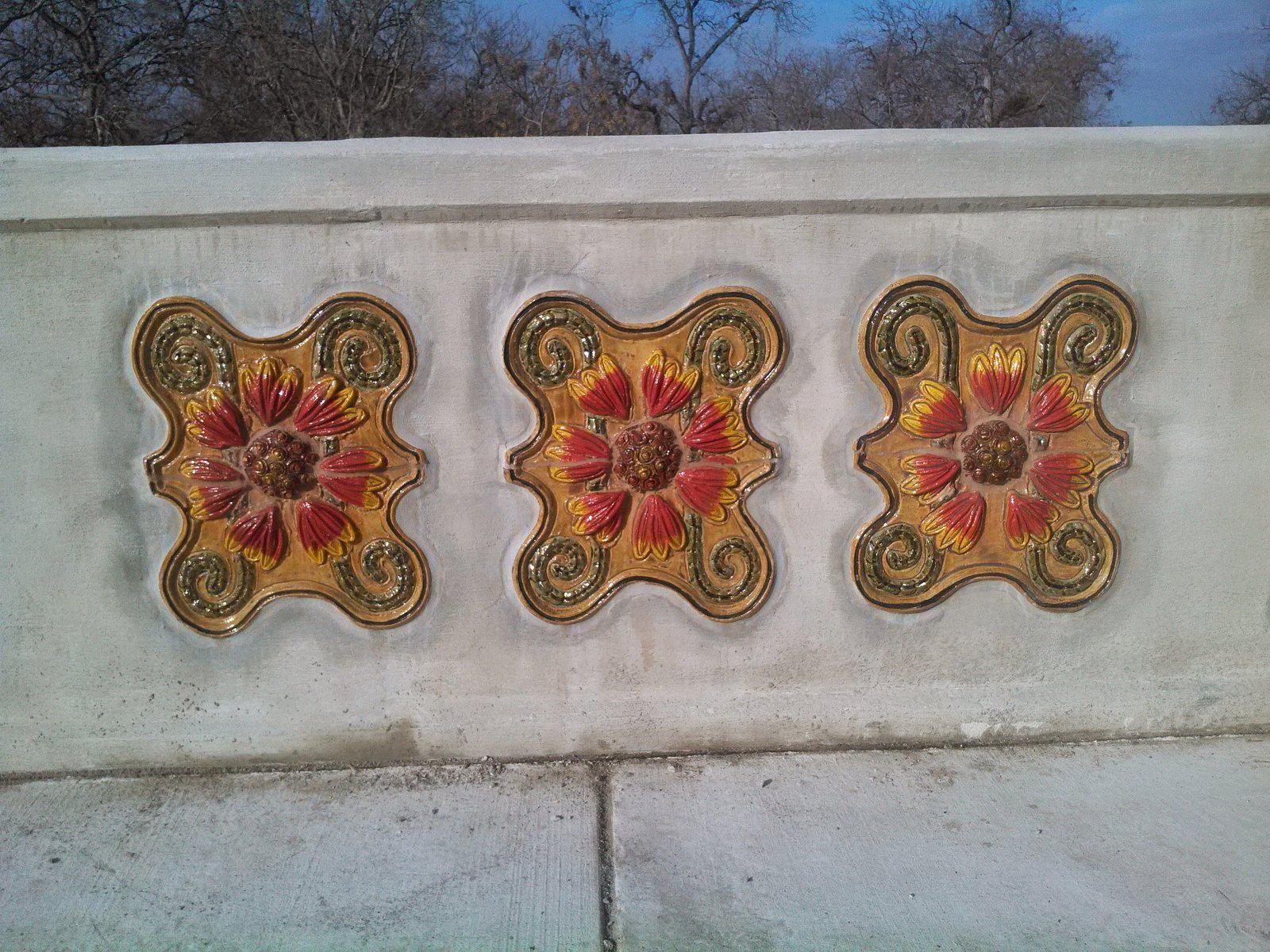
Kersey chose the Indian blanket wildflower (Gaillardia pulchella) as the iconic motif to brand the bridge with thirty-six vertical panels, like the toad and the golfer in her previous bridge artwork; she joined three different petals in random ways so that no two panels would be alike. Kersey feels that it is subtle differences that give her work the energy that can be missing from public art when it appears fabricated or manufactured.
...
Read more

More from this issue

March 2020

Chandra DeBuse: Portrait of a Maker
By Jill Foote-Hutton
Perhaps it is years of conscious determination that create an air of inherent intuition. The first installment of a new Studio Potter series.
Read More
Disrupting the Canon
By Magdolene Dykstra, By Heidi McKenzie, By Habiba El-Sayed, By Natalia Arbelaez
Four artists use their artistic research to challenge the homogenized art narrative that has privileged those in power.
Read More
Hiraeth Never Fades: Reclaiming My Identity through the Studio
By Jeff Kuratnick
At a very early age, I was orphaned and placed into the closed adoption industry. In 2018, I was able to secure my true identity. My studio practice has been the key to building a bridge to my past while constructing a future with the family I thought I had lost forever. For all those non-believers out there, it turns out that art does have the power to change lives. It certainly did mine.
Read More
It's Still Political
By Mac McCusker
Being on a platform; as, kind of, the token transgender individual in the clay community takes its toll. When I lectured at NCECA in 2017 on the panel "Gendered Clay," I had no idea what would happen. I could only tell my own story. I thought it was worth sacrificing my anonymity.
Read More
Lesson Plans and Resources for Remote Teaching
By Jill Foote-Hutton
Collaborative and open sharing is an upside to all we are currently experience. Shades of World War II efforts come to mind: rations, women working in factories, and victory gardens, among other things. Imagine the days to come when we are past the pandemic. What will we have learned about ourselves as people, as a nation, and as a world?
Read More
One Story
By Julia Haft-Candell
I do not intend my voice to be the voice of all women. In this significant time of convergence between ceramics and fine art, we have the opportunity to contribute a more critical voice to our culture, which demands that we are represented by people from a wider range of perspectives. We must make space for critical writing from less represented viewpoints. We need to make space for more stories.
Read More
What Good Are the Arts?
By Carter Gillies
Read More
Back to Issue

Author Bio

Teresa Eckmann, Ph.D.

Teresa Eckmann is Associate Professor of contemporary Latin American art history at the University of San Antonio, Texas. She is the author of Neo-Mexicanism: Mexican Figurative Painting and Patronage in the 1980s (UNM Press). She has curated several exhibitions in her field including most recently, Alberto Mijangos,159: A Retrospective of His Art (and Life), and Status? Prints from Puerto Rico to San Antonio for the city’s Department of Arts and Culture. She is currently working on a second book project, Growing Urban Presence: A History of Public Art in San Antonio.

Teresa Eckmann UTSA

CONTACT  |  NEWSLETTER SIGNUP  |  COPYRIGHT © 2026 STUDIO POTTER  |  SITE DESIGN

Design by Adaptive Theme

Member Log in

  • Create new account
  • Reset your password
Forgot your password?
Continue as Guest
Become a Member
Library IP Login